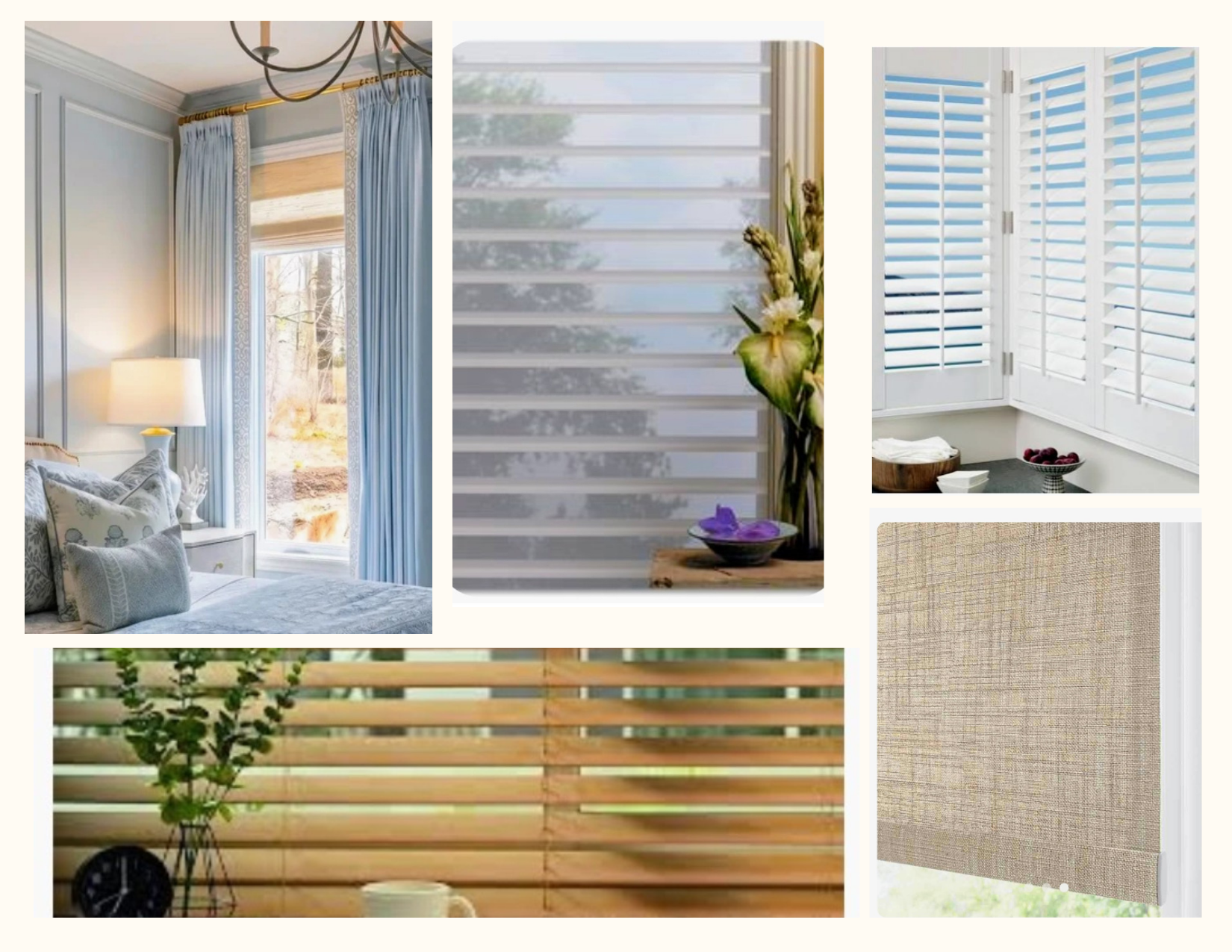
About Custom Window Treatments
Natural light can completely change how a room looks and feels. The right window treatment helps you manage that light while adding privacy, insulation, and a finished look.
Window-Covering Experience You Can Trust
Throughout my 30-plus-year career, I’ve sold and specified window treatments from Hunter Douglas, Graber, and Southeast Window Coverings. Working with these product lines has given me hands-on knowledge of shutters, blinds, cellular shades, roller shades, custom draperies, and motorized systems.
I help clients compare more than color and style. We look at sun exposure, privacy, humidity, insulation, operating systems, and the window’s size and location. That experience helps me recommend products that suit your home and perform well in Southwest Florida’s climate.
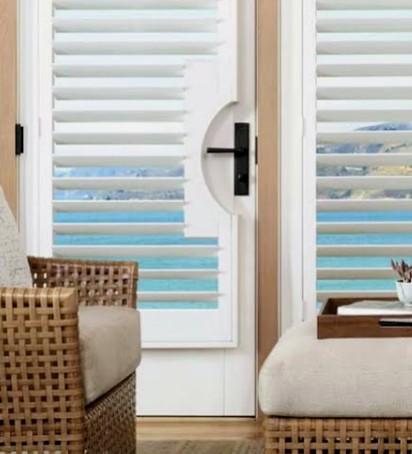
Plantation Shutters
Plantation shutters provide lasting style, adjustable light control, and privacy. Choosing the right material is especially important in Southwest Florida, where humidity and direct sunlight can affect certain products.
Wood Shutters
Natural wood offers a classic appearance and can be painted or stained. Basswood, cedar, and poplar are common choices. Because real wood may warp in humid conditions, it isn’t always the best option for bathrooms or other moisture-prone spaces.
Composite Shutters
Composite or engineered-wood shutters resist warping and cracking better than natural wood. They offer the appearance of painted wood at a more affordable price, although they’re usually heavier.
Vinyl and PVC Shutters
Vinyl and PVC shutters are waterproof, easy to maintain, and well-suited to kitchens and bathrooms. Product quality matters because lower-grade vinyl may fade or crack after prolonged exposure to strong sunlight.
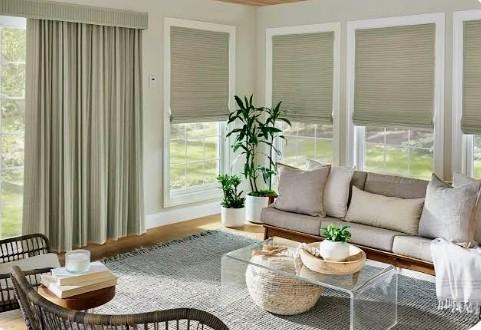
Cellular and Honeycomb Shades
Cellular shades are made from pleated fabric that forms honeycomb-shaped air pockets. These pockets help insulate the window by reducing heat transfer, making cellular shades a practical choice for Florida homes.
Fabric options range from sheer and light-filtering to room-darkening and blackout. Cordless designs work well in homes with children or pets. Top-down/bottom-up shades allow daylight to enter through the upper portion of the window while preserving privacy below.
Single-cell shades provide everyday insulation. Double-cell shades add another layer of air pockets for greater temperature control.
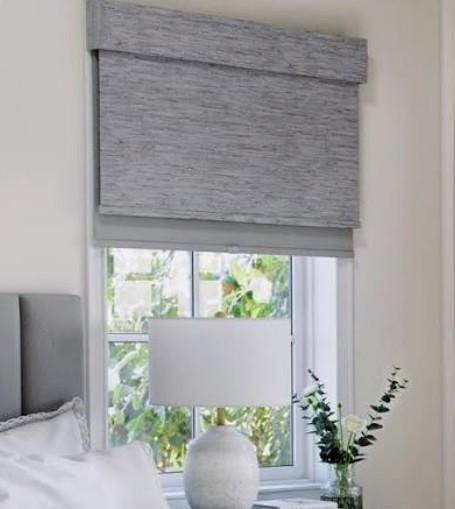
Roller Shades
Roller shades use a smooth panel of fabric that raises and lowers from a cylinder mounted above the window. They create a clean appearance with very few visible lines.
Choose from light-filtering, room-darkening, or blackout materials. Roller shades can operate with a spring, chain, cordless mechanism, or motor, making them suitable for standard windows, sliding doors, and hard-to-reach areas.
Faux-Wood Blinds
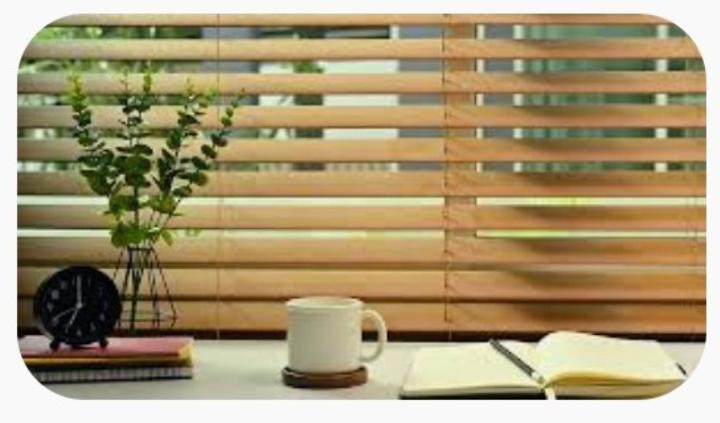
Faux-wood blinds use horizontal PVC or composite slats that tilt to manage sunlight and privacy. They resist moisture better than natural wood and are easy to clean, making them a practical option for kitchens, bathrooms, rental properties, and busy households.
Custom Draperies
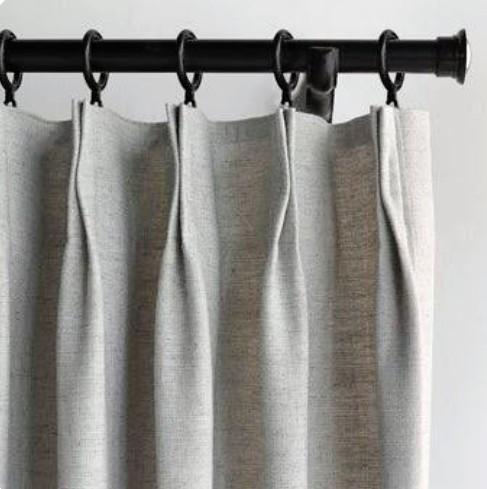
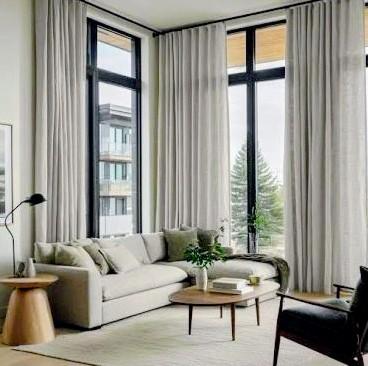
Custom draperies are made for the exact height, width, and shape of each window. Fabric, lining, pleat style, length, and decorative hardware are selected together, avoiding the gaps and awkward proportions often found with ready-made panels.
Heavier fabrics and structured hems allow custom draperies to hang cleanly. Depending on the lining, they can also reduce glare, protect furnishings from ultraviolet light, soften outside noise, improve insulation, or darken a bedroom.
Drapery Header Styles
- Pinch pleats create a tailored, traditional appearance and may use single, double, or triple pleats.
- Ripplefold draperies form smooth, continuous folds for a cleaner, more contemporary room.
- Grommet headers use metal rings for easy movement along the rod.
- Goblet and inverted pleats add stronger architectural detail.
Drapery Lining Options
- Standard lining protects the face fabric from sunlight and creates a consistent exterior appearance.
- Blackout lining blocks most incoming light, making it useful in bedrooms and media rooms.
- Interlining adds fullness, improves sound absorption, and provides another layer of insulation.
Motorized Window Treatments
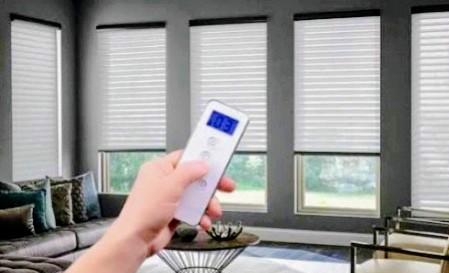
Motorization makes shades and draperies easier to operate, particularly on tall windows, wide openings, and areas that are difficult to reach. Treatments can be controlled by a remote, wall switch, or compatible smart-home system. Programming them to open and close at specific times can also help manage afternoon heat and protect furnishings from direct sunlight.
Choosing the Right Window Treatment
Every room presents a different set of questions. How much privacy do you need? Does strong afternoon sun enter the window? Is the room humid? Do you want the treatment to disappear into the architecture or become part of the design?
I’ll help you compare materials, fabrics, operating systems, linings, pleat styles, and decorative hardware. Together, we’ll choose custom window treatments that fit your windows properly and work comfortably in your home.